
South Florida
(954) 900-6056
Central Florida
(407) 343-4677
Whatsapp Text
(954) 900-6056
SMS Text
(321) 203-0550
New Construction Inspection
Orlando & Central Florida
Why Brand-New Homes Still Need an Independent Inspection ?
Buying a brand-new home feels different from buying an older property.
Everything looks clean. The finishes are new. The appliances have never been used. The builder has completed walkthroughs, the city has performed inspections, and the home may come with a builder warranty.
So it is understandable when buyers ask:
“Do I really need a home inspection on new construction?”
The answer is yes.
New construction does not mean defect-free construction. A new home can pass city inspections and still have installation defects, poor workmanship, moisture risks, HVAC duct problems, drainage concerns, insulation gaps, roof issues, plumbing defects, or electrical concerns that may affect the homeowner later.
The purpose of a new construction inspection is not to attack the builder. The purpose is to provide an extra layer of quality control for the buyer before small construction mistakes become expensive homeowner problems.
Code Compliance Is Not the Same as Construction Quality
One of the biggest misconceptions about new construction is the idea that if the city inspector approved the home, the home must be fine.
City and county inspections are important, but they are focused on minimum code requirements. Code is the minimum standard allowed by law — not the highest standard of construction quality.
A home can meet code and still have poor installation, incomplete details, manufacturer installation concerns, drainage issues, comfort problems, moisture entry points, or defects that affect long-term performance.
City inspectors are not there to perform a detailed quality-control inspection for the buyer. Their job is to verify minimum requirements. They are not usually evaluating every detail the way a buyer-focused home inspector does.
An independent home inspector looks at the property differently.
The question is not only, “Did this pass minimum code?”
The better question is, “Was this installed correctly, is it functioning as expected, and could this create problems for the homeowner?”
That difference matters.
Why Defects Happen in New Construction Homes
Modern construction moves quickly. Most builders rely on multiple subcontractors to complete the home. One crew may handle framing. Another installs plumbing. Another handles electrical. Another installs HVAC. Other crews handle roofing, stucco, insulation, drywall, tile, cabinets, paint, flooring, gutters, irrigation, and final finishes.Sometimes those subcontractors also use their own subcontractors.
With so many people working on the home under tight timelines, mistakes can happen.
A duct can be bent. Insulation can be moved and not replaced. A bathroom vent can terminate into the attic instead of outside. A window can be poorly sealed. A gutter can be misaligned. A GFCI outlet can be wired incorrectly. Construction debris can be left inside a drain line.
None of this means the builder is necessarily bad.
It means construction is complex, and a neutral third party can help identify issues before they become your responsibility.
The Builder Walkthrough Is Not Enough
The builder walkthrough is useful, but it is not the same as an independent inspection.
Most builder walkthroughs focus heavily on visible finish items, cosmetic concerns, and punch-list corrections. Those items matter, but they do not replace a professional evaluation of the home’s visible systems and components.
A buyer may notice paint, flooring, cabinet damage, or trim defects. But many important construction concerns are harder to recognize without training, tools, and inspection experience.
A professional new construction inspection can identify conditions involving the roof, attic, electrical system, plumbing, HVAC, drainage, insulation, windows, exterior finishes, appliances, and visible safety items.
The inspection report also gives you written documentation, photos, and clear descriptions that can help you communicate more effectively with the builder.
New Construction Inspections Should Happen in Phases
For new construction, the best inspection strategy is often not one inspection at the end. The best approach is phased inspections. The most valuable inspection phases are: 1- Pre-drywall inspection, 2- Final walkthrough or blue tape inspection and 3- 11-month warranty inspection
Each inspection gives the buyer a different opportunity to identify issues at the right time.
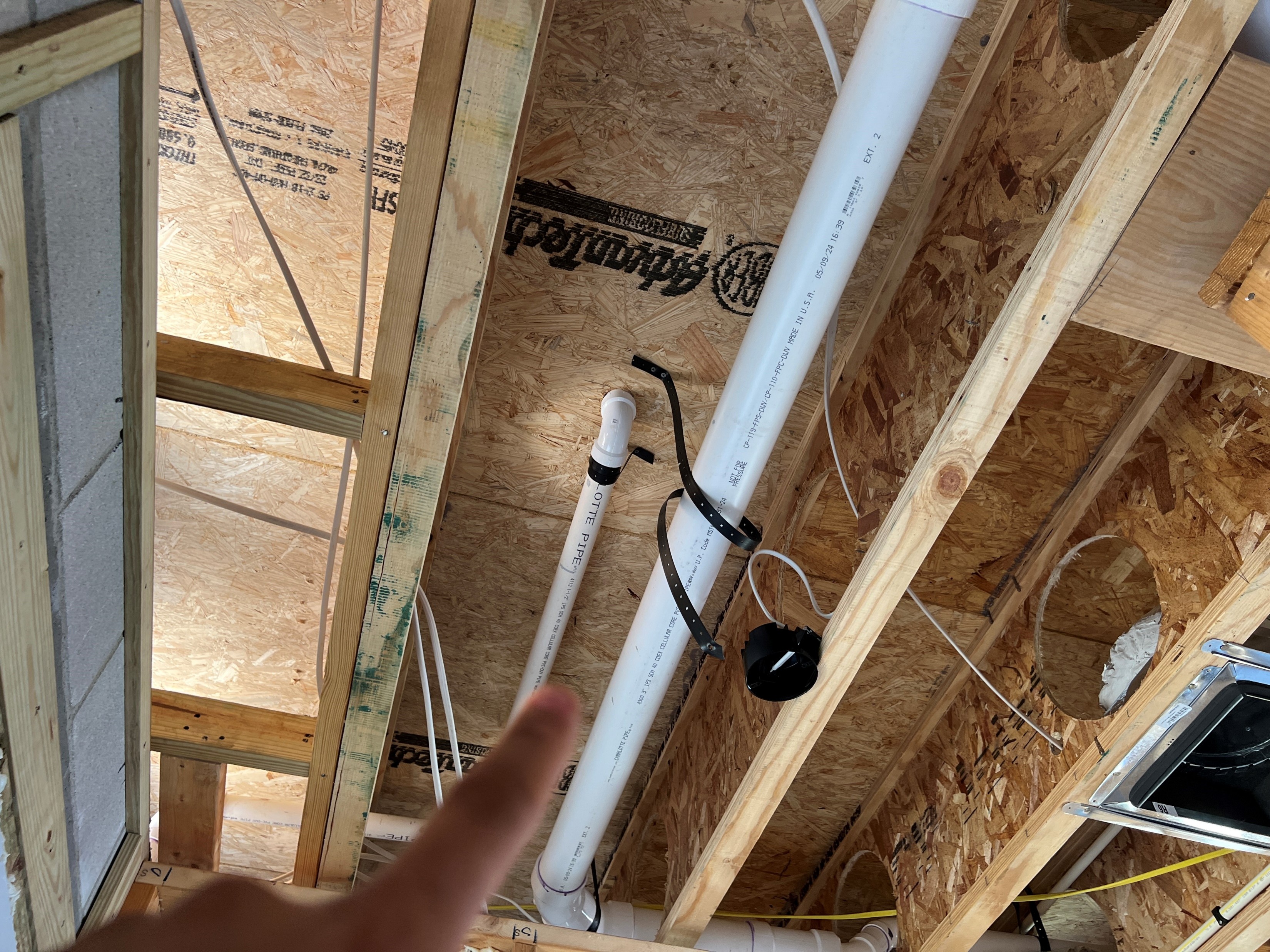
Pre-Drywall Inspection: Your Chance to See Behind the Walls
The pre-drywall inspection happens after framing, plumbing, electrical, and HVAC rough-ins are installed, but before insulation and drywall cover everything.
This is one of the most valuable inspections because it gives the inspector access to components that will soon be hidden.
Once drywall is installed, buyers can no longer see framing connections, wiring routes, plumbing lines, ductwork, fire blocking, nail plates, support details, and many structural or installation conditions.
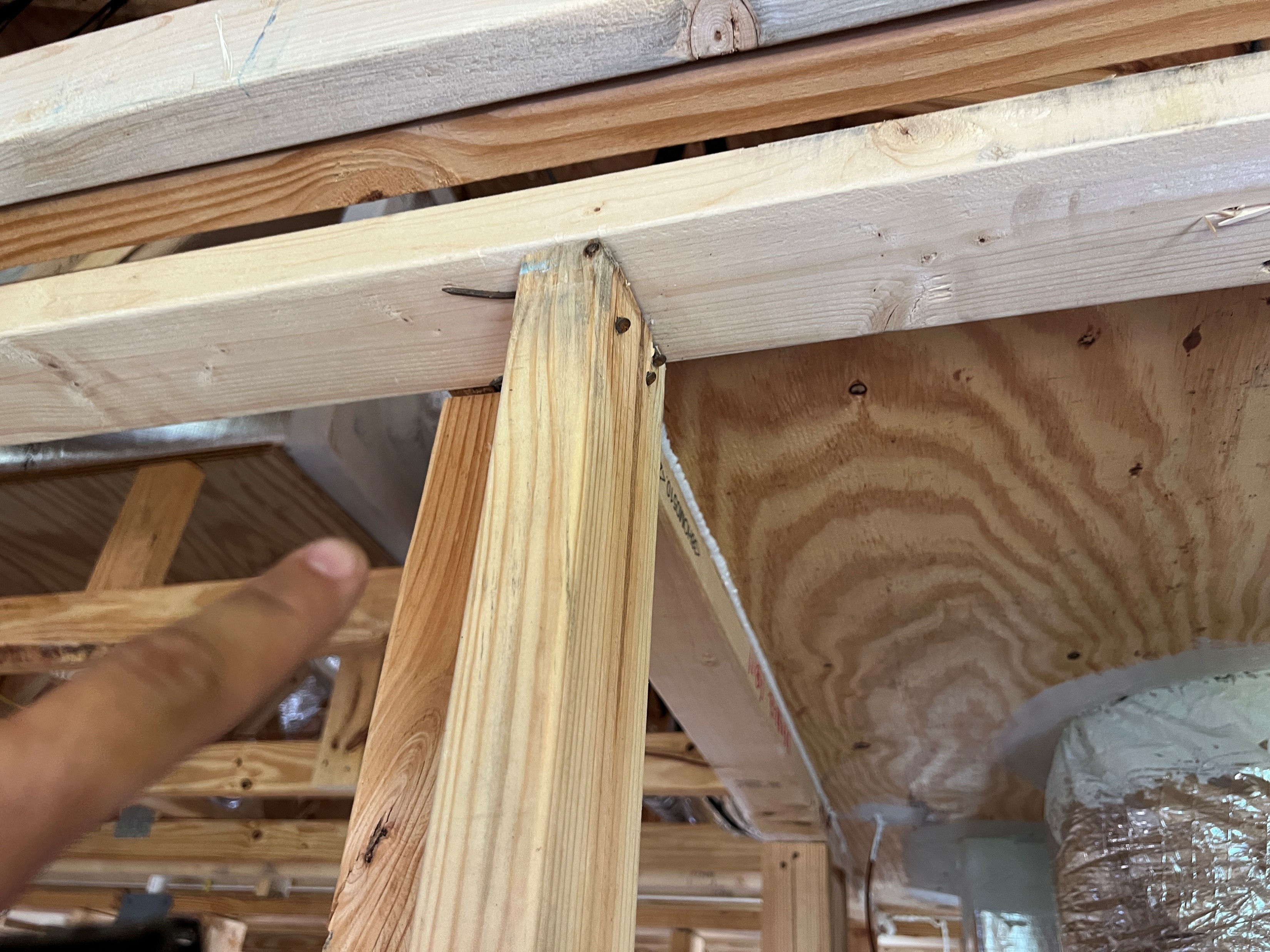
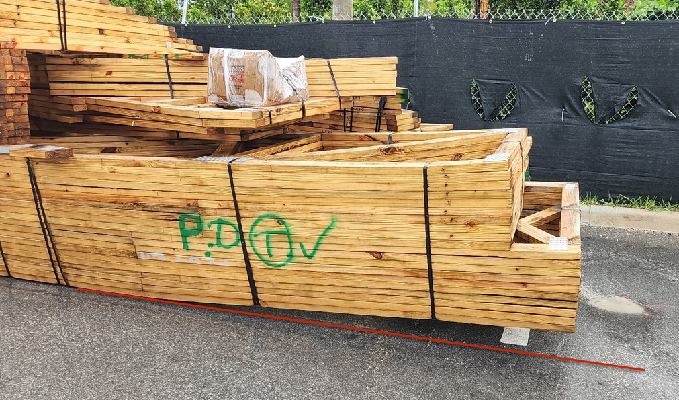
During a pre-drywall inspection, we may identify damaged framing, cracked wood members, improperly drilled structural components, missing protection plates for wiring or plumbing, incomplete fastening, unsupported pipes, poor duct routing, or installation concerns that may be much harder to correct later.
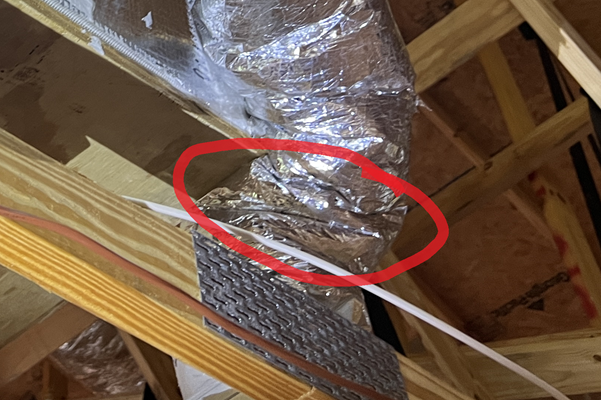
HVAC ductwork is especially important. We often find ducts that are bent, compressed, unsupported, or routed with sharp turns that restrict airflow. The air conditioning system may technically operate later, but poor duct installation can create hot rooms, cold rooms, poor comfort, humidity problems, and higher energy use.
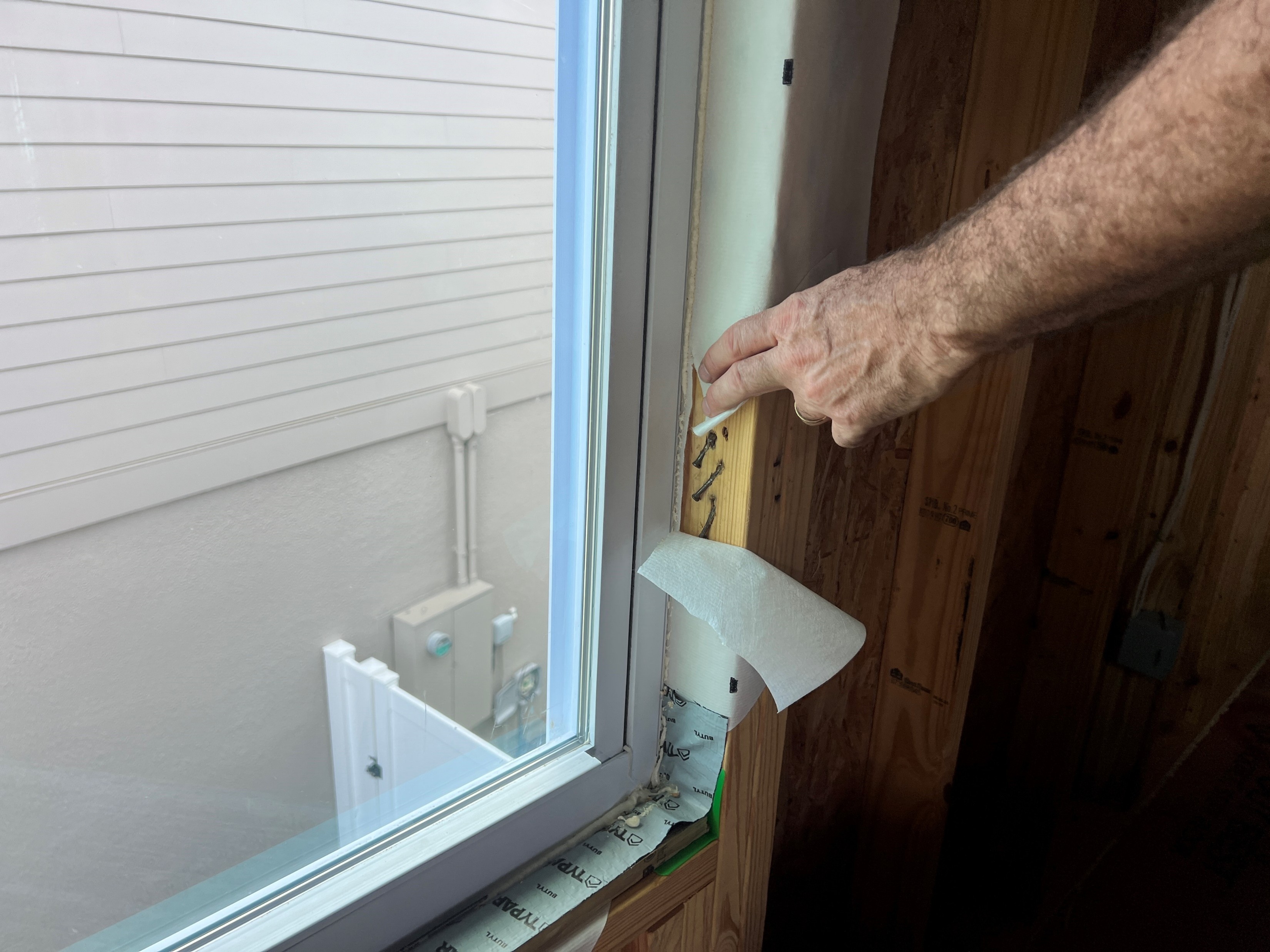
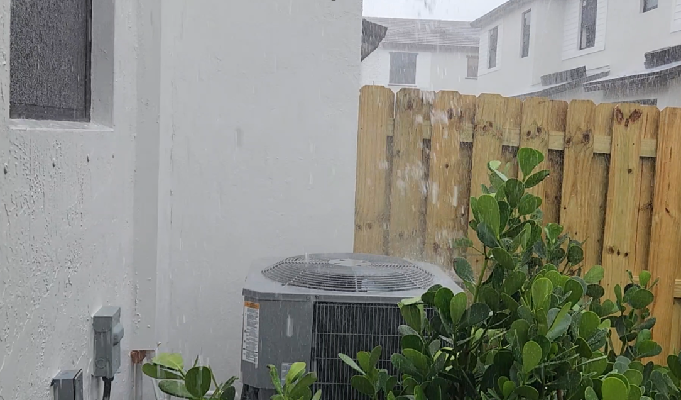
Window and exterior wall details also matter at this stage. Poor window installation, missing sealing details, or incomplete moisture protection may not show damage immediately, but can contribute to leaks or moisture intrusion after several months of Florida rain and humidity.
The pre-drywall inspection is your opportunity to find these concerns before the walls are closed.
Final Walkthrough or Blue Tape Inspection: More Than Cosmetic Items
The final walkthrough, often called the blue tape inspection, usually happens shortly before closing.
Many buyers think this is only about marking paint defects, scratches, cabinet damage, trim issues, or cosmetic imperfections. Those items are part of the process, but a professional inspection goes much deeper.
At this stage, the home is mostly complete. Electrical devices can be tested. Plumbing fixtures can be operated. Appliances can be checked. HVAC can be evaluated. The attic can be reviewed. Exterior drainage, gutters, roof areas, doors, windows, and installed systems can be inspected.
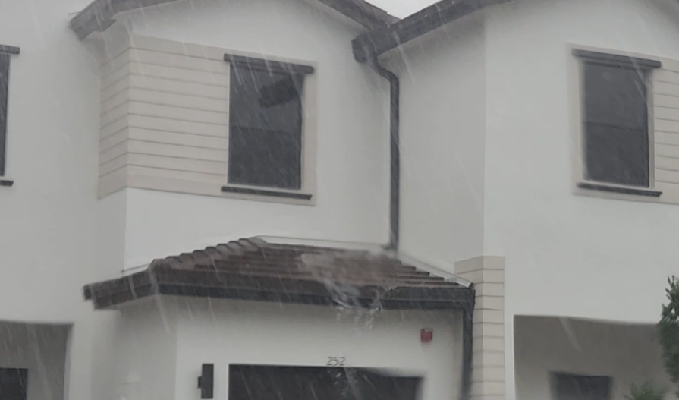
This is where we may identify GFCI outlets that do not trip properly, loose electrical components, bathroom exhaust vents that do not terminate correctly, missing or displaced attic insulation, dryer vent concerns, gutter alignment problems, poor grading, roof tile defects, plumbing leaks, or moisture-related conditions.
We have also found construction debris inside drain lines, including sand and dirt that can restrict flow and eventually contribute to backups.
A final inspection gives you an opportunity to document functional and visible concerns while the builder is still in the best position to correct them before ownership transfers.
11-Month Warranty Inspection: The One You Should Not Skip
Check our website for more info:
When Should You Schedule a New Construction Inspection?
The best time depends on the phase of construction.
If the home is still being built, schedule a pre-drywall inspection before insulation and drywall are installed.
If the home is almost complete, schedule a final walkthrough or blue tape inspection before closing.
If you already moved in, schedule an 11-month warranty inspection around month 10 or early month 11 so you have time to inspect the home, review the report, and submit concerns to the builder before the warranty expires.
Do not wait until the last few days.
Builders may have specific procedures, portals, deadlines, or documentation requirements. You want enough time to act.
Common Issues Found in New Construction Homes
New homes can have many of the same problems buyers assume only exist in older homes.
Some of the most common concerns include missing or displaced attic insulation, HVAC duct restrictions, GFCI defects, plumbing leaks, roof installation issues, stucco cracks, window sealing concerns, poor grading, gutter problems, drainage concerns, disconnected bathroom vents, dryer vent issues, loose fixtures, damaged materials, and appliance installation defects.
In Florida, we pay special attention to moisture behavior. Small exterior gaps, window sealing issues, irrigation spraying against exterior walls, poor grading, or disconnected bath vents can create conditions for moisture intrusion or fungi growth over time.
We also pay close attention to attic heat, HVAC performance, insulation coverage, and duct layout because these conditions can directly affect comfort and energy efficiency.
If the home has a pool, pool inspection and leak detection may also be valuable. Even brand-new pools can leak due to construction defects, underground pipe cracks, fitting issues, or installation problems.
If drainage symptoms are present, a sewer camera scope may be useful. New construction can still have debris inside piping, and older lots or remodeled homes may have drain line concerns that are not visible during a standard inspection.
Why the Inspection Report Matters
A new construction inspection is only useful if the findings are documented clearly. The builder needs to understand what was found, where it was found, and why it should be reviewed.
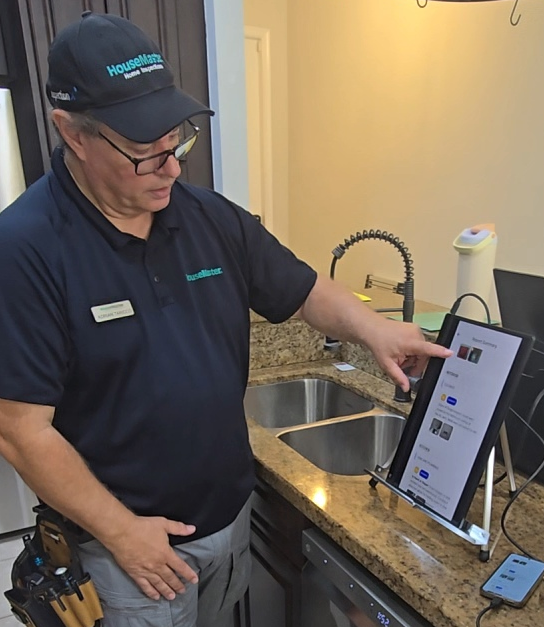
At HouseMaster, our AI-powered reporting technology helps organize findings in real time during the inspection. Photos, comments, and recommendations are connected clearly so the report is easier to understand and easier to use when communicating with the builder.
This gives buyers and agents a cleaner way to review concerns, prioritize what matters, and submit a more organized request for correction.
The goal is not to overwhelm you with a long list of minor items.
The goal is to help you understand the condition of the home and document the concerns that should be addressed.
Why HouseMaster Adds More Value
At HouseMaster Serving Greater Orlando and The Villages, we bring more than a checklist to new construction inspections.
Our inspection process combines field experience, professional reporting, AI-powered documentation, and access to specialty services when needed.
Depending on the property, we can support the inspection with infrared evaluation, sewer camera scope, pool inspection, pool leak detection, drone roof documentation, WDO inspection, mold testing, wind mitigation, and 4-point inspection services.
Not every new home needs every service, but having these options available matters when a concern needs a closer look.
Our goal is to help buyers understand what was found, what matters most, and what should be documented before closing or before the builder warranty expires.
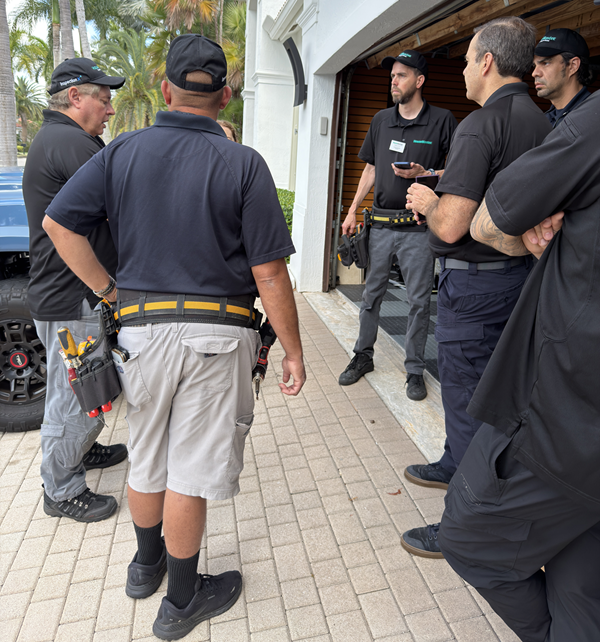
The Real Takeaway
A new home can be beautiful, modern, and still have defects.
New does not mean perfect.
City inspections focus on minimum code requirements.
Builder walkthroughs do not replace an independent inspection.
Builder warranties only help if defects are found and submitted before the deadline.
A third-party new construction inspection gives you another layer of protection, clearer documentation, and a better understanding of the home you are buying.
The best approach is to inspect at the right stage: pre-drywall, final walkthrough, and 11-month warranty.
If you are building or buying a new home, do not skip the inspection just because the home is new.
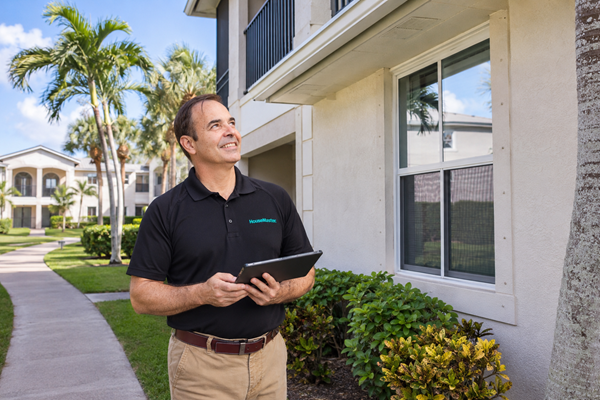
New Construction Inspections in Central Florida
HouseMaster provides new construction inspections throughout Central Florida, including:
- Kissimmee & ChampionsGate
- St. Cloud & Davenport
- Lake Mary & Sanford
- Oviedo & Waterford Lakes
- The Villages & Leesburg
- Clermont & Minneola
- Mount Dora & Eustis
- Winter Garden & Celebration
- Winter Park & Maitland
- Altamonte Springs & Longwood
- Orlando and surrounding communities