
When Should You File a Claim Against a Home Inspector?
When Should You File a Complaint or Claim Against a Home Inspector?
How to Understand Home Inspection Limitations Before Assuming the Inspector Missed Something
A home inspection is one of the most valuable steps in the home buying process.
It gives the buyer a professional opinion about the condition of the major installed systems and components of the home. It can help identify visible defects, safety concerns, maintenance needs, and conditions that may require repair or further evaluation.
But a home inspection also has important limitations.
A home inspection is not a warranty. It is not an insurance policy. It is not a guarantee that nothing will break after closing. It is a visual assessment of the condition of the property at one point in time: the time of the inspection. The objective is to provide a professional opinion of the major components and installed systems to guide a more informed purchase decision.
Before opening a claim, filing a complaint, or demanding compensation from the inspector, it is important to understand whether the issue was actually within the scope of the inspection.
This article is designed to help buyers ask the right questions.
Start With the Most Important Question
Before blaming the inspector, ask this:
Was the problem present and visible at the time of the inspection?
That question matters because a home inspection is based on the condition of the home at the time the inspection was performed.
If the dishwasher worked during the inspection but broke two weeks after closing, that does not automatically mean the inspector missed something. Mechanical systems and appliances can fail after the inspection.
The same can happen with a garage door opener, water heater, AC system, garbage disposal, plumbing fixture, appliance, or other component. If it was operating at the time of inspection and failed later, that is part of homeownership and maintenance.
The inspector cannot predict every future failure.
Problems Can Develop After the Inspection
Some defects appear after the inspection because conditions change.
For example, a roof may not leak during normal rain, but after a severe storm with wind-driven rain, a leak may appear for the first time. That does not automatically mean the inspector missed a roof leak.
A plumbing connection may begin leaking after use. An AC drain line may clog later. An appliance may fail after closing. A garage door motor may stop working weeks later.
The inspection does not freeze the home in time.
It documents visible and testable conditions at the time of inspection. If the defect developed later, it is not a legitimate claim against the inspector.
Was the Area Visible and Readily Accessible?
The next question is:
Could the inspector actually see the problem?
Home inspections are limited to visible and readily accessible areas.
Inspectors do not move heavy furniture, remove carpets, open wall cavities, pull insulation away, dismantle systems, move personal belongings, or see behind cabinets, stored items, boxes, appliances, or finished surfaces.
If you move a sofa after closing and find a stain behind it, the inspector could not report what was hidden.
If you remove carpet and find damaged flooring underneath, the inspector could not report what was concealed below the carpet.
If the garage was full of storage boxes and a defect was hidden behind them, the inspector could not see through the obstruction.
That is why it is important to review the inspection report carefully and pay attention to areas listed as limited, obstructed, or inaccessible.
Why the Final Walkthrough Matters
The final walkthrough is a very important opportunity for buyers.
By that time, the seller may have removed furniture, boxes, rugs, stored items, and personal belongings. Areas that were obstructed during the inspection may now be visible.
This is the buyer’s opportunity to look again.
Check behind where furniture was located. Look inside garages after storage has been removed. Review areas near walls, floors, cabinets, closets, under sinks, and exterior areas that may have been blocked.
Some inspectors may offer a reinspection or final walkthrough support for an additional fee. That can be helpful when the home had many obstructed areas during the original inspection.
If a defect was hidden during the inspection but visible at the final walkthrough, it may be discovered before closing.
Environmental Testing Is Separate
A standard home inspection is focused on the building and its visible installed systems and components.
It is not an environmental inspection.
Environmental concerns, toxins, air quality, rodents, insects, animals, biological contaminants, and living organisms are usually outside the scope of a standard home inspection unless a separate service is specifically requested.
This includes mold, fungi, termites, rodents, ants, spiders, and other contaminants, pests, or organisms.
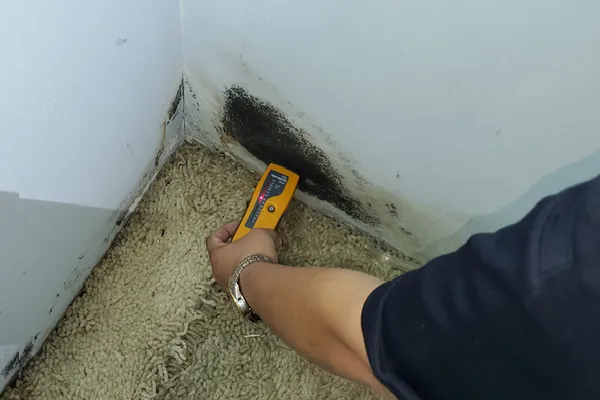
A home inspector may report visible stains, moisture concerns, damaged materials, or suspicious conditions. But confirming mold, interpreting mold laboratory results, identifying termites, or providing treatment recommendations usually requires a separate licensed professional and a separate service.
Mold Is Not Included Unless Mold Assessment or Testing Was Ordered
Many buyers assume that mold is included in the home inspection.
In Florida, mold assessment and mold testing are separate services.
A home inspection may identify visible moisture stains, active leaks, musty odors, or visible suspect fungal growth. But the home inspection itself does not confirm mold.
If the buyer wanted mold investigation, the proper service would be mold testing/assessment and mold sampling such as air samples or surface samples.
If no mold assessment or mold testing was ordered, it is usually not fair to make a mold claim against the home inspector simply because mold was discovered later in a concealed area.
The better question is:
Was there a possibility that the mold was already there that should have been captured by the mold sampling?
Hidden mold behind walls, behind cabinets, under flooring, or inside concealed cavities is not something a standard home inspection can confirm.
Termites and WDO Are Separate
Termites and WDO concerns are another common misunderstanding.
A standard Florida home inspection is not a licensed WDO inspection. WDO stands for Wood-Destroying Organism and may include termites, wood-destroying beetles, powderpost beetles, wood-decaying fungi, and wood rot.
A home inspector may note visible and accessible evidence as a courtesy, such as damaged wood, pellets, frass, or mud tubes. However, home inspectors do not perform the same active investigation, identification, process, or reporting required for a formal WDO inspection.
In Florida, a true termite/WDO inspection requires a separate licensed professional and a formal FDACS WDO report using the required report format.
If you did not order a separate WDO inspection, be careful before assuming the home inspector is responsible for termites discovered after closing. The better question is:
Did I order a licensed WDO inspection, or only a standard home inspection?
Hidden termite activity behind walls, under insulation, inside wood, behind storage, or in inaccessible areas may also not be visible during a termite inspection.
Underground and Concealed Defects Are Not Visible
Some problems are hidden by their nature.
For example, a cast iron drain line may fail underground. A sewer line may have roots, cracks, deterioration, or debris below the slab or underground. A pipe may be damaged inside a wall. A wire may be defective behind drywall.
These conditions are not visible during a standard home inspection.
If a cast iron pipe breaks underground after closing, the inspector could not visually inspect the inside of that pipe unless a separate sewer camera scope was performed.
A sewer scope, also called a drain line camera inspection, can provide additional information about the visible interior condition of the main drain line. It is not perfect, and it does not inspect every branch line, but it can provide valuable information that is not available during a standard visual inspection.
If the buyer did not order that optional service, an underground pipe defect is not something the home inspector could have seen.
Use This Checklist Before Filing a Claim
Before opening a claim or complaint, ask yourself these questions:
Was the defect present at the time of the inspection?
Was the defect visible?
Was the area readily accessible?
Was the defect hidden behind furniture, storage, walls, flooring, insulation, cabinets, or personal belongings?
Was the issue part of the standard home inspection scope?
Was the problem excluded in the agreement or Standards of Practice?
Was it related to mold, termites, pests, rodents, environmental hazards, or other services that require separate testing or licensing?
Was an optional inspection service recommended but declined?
Did the defect develop after the inspection?
Was there a storm, leak, system failure, or change in conditions after the inspection?
If the answer shows that the defect was hidden, inaccessible, excluded, environmental, pest-related, or developed later, it may not be a legitimate claim against the home inspector.
If the defect was visible, accessible, within the scope of the inspection, present at the time, and significant, then it may be reasonable to contact the inspector and discuss the situation.
Start by Contacting the Inspector
If you believe the inspector missed something, the first step should usually be direct communication.
Call or email the inspector and explain the concern.
Provide photos, the inspection report, closing date, repair estimates if available, and a clear description of what happened.
A good inspector should be willing to review the concern, compare it with the report, explain the limitation or scope issue if applicable, and determine whether a follow-up review is appropriate.
Many situations are misunderstandings about scope, accessibility, timing, or expectations.
A conversation may resolve the issue faster than a complaint.
Understand the Difference Between a Complaint and a Claim
A complaint and an insurance claim are not the same thing.
A complaint is usually a regulatory or professional conduct issue. For example, a buyer may file a complaint if they believe the inspector acted improperly, performed work without a license, violated applicable rules, or failed to follow professional standards.
An insurance claim is different. That usually involves an alleged error or omission that caused a financial loss.
Not every disappointment is an insurance claim.
Not every repair after closing is the inspector’s responsibility.
Not every defect is within the scope of a home inspection.
Understanding the difference helps avoid frustration.
When a Complaint May Be Appropriate
A complaint may be appropriate when there is a serious concern about the inspector’s conduct, licensing, or professional practice.
Examples may include:
The person was not properly licensed
The inspector misrepresented the service
The inspector failed to provide the required scope or disclosure
The inspector did not perform the inspection as agreed
The inspector acted dishonestly or unprofessionally
The inspector missed a major visible and readily accessible defect that was within the scope of the inspection
The inspector ignored a significant safety issue that was visible and apparent at the time
If you are in Florida, suspected unlicensed activity can also be reported through DBPR.
Keep in mind that a regulatory complaint is not always the same as getting paid for repairs. A regulatory agency may review licensing and conduct issues, but compensation disputes may depend on the inspection agreement, insurance, negotiation, mediation, arbitration, or legal process.
When an Insurance Claim May Be Appropriate
An errors and omissions claim is usually reserved for material issues.
A material defect is not a minor maintenance item. It is generally a significant condition that may affect safety, function, property value, or repair cost.
Examples may include a major visible roof defect, a significant structural concern, a serious electrical hazard, a major plumbing condition, or another important defect that was visible, accessible, within scope, present at the time of inspection, and not reported.
Small repairs usually do not justify an insurance claim.
Many professional liability policies have deductibles from US$1,000 to US$10,000, and many inspection agreements include limitation-of-liability language. Depending on the agreement, the inspector’s liability may be limited to the inspection fee or another agreed amount.
That is why the inspection agreement matters.
Before making assumptions about insurance, read the agreement you signed and understand what remedies and limitations apply.
The Inspection Fee May Be the Practical Remedy in Some Cases
If a buyer is unhappy with the inspection and believes the inspector missed something, one practical request may be reimbursement of the inspection fee.
This is not unusual. Florida law requires home inspectors to provide a written disclosure describing the scope and exclusions of the inspection before contracting or starting the inspection. The inspection agreement is important because it defines what was included, what was excluded, and what remedies may apply if there is a dispute.
Many inspection agreements include limitation-of-liability language that limits recovery to the inspection fee or another defined amount. This type of limitation is generally based on the signed agreement and may be supported by Florida contract law when the language is clear and enforceable.
That does not mean every situation is the same. A serious visible and accessible defect within the inspection scope may require a different conversation. However, buyers should not assume that the inspector will automatically pay an electrician, plumber, roofer, mold remediator, termite company, or contractor bill that exceeds the inspection fee.
Florida also requires home inspectors to carry general liability insurance, but insurance is not intended to resolve every small maintenance issue or every repair discovered after closing. Insurance claims are typically reserved for more significant disputes.
If there is a major claim, review the inspection agreement and consider professional advice. For smaller disputes, contacting the inspector, asking for clarification, and discussing a possible inspection-fee refund may be the more practical path.
Sometimes the Issue Is Seller Disclosure, Not the Home Inspector
Before assuming the home inspector missed something, buyers should also consider whether the issue may have been known by the seller and not properly disclosed.
In Florida, sellers are expected to disclose known material facts that affect the value of the property when those conditions are not readily observable to the buyer. This is one reason seller disclosure forms are so important.
For example, if the AC was tested during the inspection and appeared to be operating normally, but later the coils froze because the refrigerant was low, that does not automatically mean the inspector missed the problem. However, if there is evidence that the seller already knew the refrigerant line was leaking, had prior service calls, temporarily charged the system, or tried to hide the condition just long enough to pass inspection, that may be a seller disclosure issue.
The same logic can apply to prior roof leaks, plumbing leaks, mold history, repeated drain backups, termite treatment history, electrical problems, or other conditions that were known by the seller but not visible during the inspection.
If the issue was concealed, not readily observable, and very likely known by the seller, the buyer may want to contact their Realtor, broker, or real estate attorney to review whether the seller disclosure was accurate and whether any additional action is appropriate.
A home inspector can only report visible and accessible conditions at the time of inspection. The seller, however, may have prior knowledge about hidden or recurring problems that the inspector could not reasonably see during a limited visual inspection.
What Not to Do
Do not assume the inspector is responsible just because you found a defect after closing.
Do not assume every repair is a claim.
Do not assume mold, termites, pests, or environmental hazards were included unless you ordered those services.
Do not assume hidden or obstructed defects were visible.
Do not assume a future failure was predictable.
Do not ignore the inspection agreement.
Do not wait too long to notify the inspector if you believe there is a legitimate issue.
The better approach is to gather information, review the report, understand the scope, and communicate clearly.
What to Gather Before You Contact the Inspector
Before contacting the inspector, collect:
Your inspection report
Your inspection agreement
Photos of the concern
Photos showing the surrounding area
Repair estimates, if available
Any contractor diagnosis
Date the issue was discovered
Whether the area was accessible during inspection
Whether the issue was visible before closing
Whether conditions changed after inspection
Any seller disclosures or prior repair information
This makes the conversation more productive and helps everyone understand the facts.
The Real Takeaway
A home inspection is valuable, but it has limits.
It is a visual assessment of visible and readily accessible installed systems and components at the time of inspection.
It does not predict the future. It does not see through walls. It does not move furniture. It does not inspect underground pipes unless a sewer scope is ordered. It does not include mold, termites, pests, rodents, or environmental testing unless those services are specifically added.
Before filing a complaint or claim, ask:
Was the defect visible?
Was it readily accessible?
Was it present at the time of inspection?
Was it included in the scope?
Was it significant?
If the answer is yes, contact the inspector and discuss the situation.
If the answer is no, the issue may simply be part of homeownership, maintenance, concealed conditions, optional services that were not ordered, or defects that developed after the inspection.
Understanding the difference can save time, frustration, and unrealistic expectations.
Questions About Your Inspection?
If you have questions about your inspection report, the scope of the inspection, or a concern discovered after closing, contact your inspector and ask for clarification.
A good inspection company should be willing to explain what was inspected, what was limited, what was excluded, and what the findings mean.
Call 407-343-4677 or book online with HouseMaster Serving Greater Orlando and The Villages.
HouseMaster combines franchise-backed systems with owner-level accountability. Our operation is led by Cesar Costa, an engineer with an MBA, licensed home inspector, licensed mold assessor, Level II thermographer, licensed WDO pest control operator, FAA drone pilot, and real estate education provider.
About the Author Cesar Costa https://www.fl-housemaster.com/about-cesar-costa
Our contacts and online scheduling: https://fl-housemaster.com/contact
Our Main site https://fl-housemaster.com