
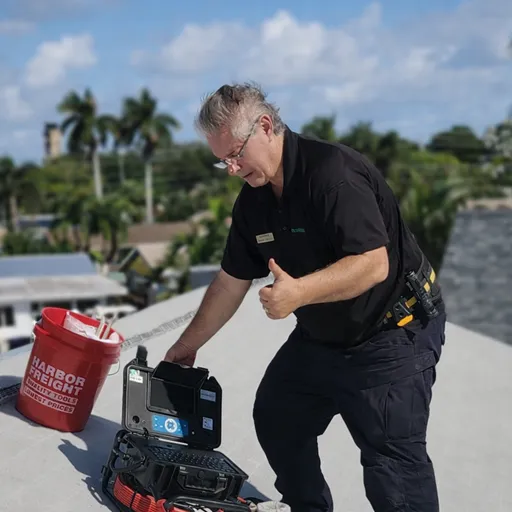
Should You Do a Sewer Line Camera Inspection?
🚿 Should You Do a Sewer Line Camera Inspection?
Drain Line Scope in Orlando, FL — When It’s Worth It and When It’s Not
A lot of buyers ask us:
👉 “Should I do a sewer line scope?”
👉 “Is a drain camera inspection really necessary?”
A sewer camera inspection can be extremely valuable, and it can be used strategically. The goal is not to add unnecessary cost to every transaction. The goal is to identify situations where there is enough risk or indication to justify looking deeper.
🎥 What is a sewer line camera inspection?
A sewer line camera inspection uses a specialized camera to evaluate the drain line. Usually, we do only the main drain line from the home toward the city sewer connection or main waste line. This allows the inspector to see conditions that are normally hidden underground or under the slab, including:
Blockages
Cracks
Pipe deterioration
Tree root intrusion
Possible separation or damage
It is one of the few practical ways to actually see what is happening inside the drain line instead of hoping that all is fine.
⚠️ Not all camera inspections are equal
This is important.
Just because someone owns a sewer camera does not mean they know how to properly evaluate a drain line.
More inspectors are buying cameras today, but many have not completed specific training or certification. Without proper training, it is easy to miss defects, misinterpret what appears on the screen, or create unnecessary concern. Also, low-quality image cameras, without a self-leveling device, and high-definition images, will not give the required level of image quality for a good analysis
At HouseMaster, we are trained and certified to evaluate drain lines properly. The purpose is not just to “run a camera.” The purpose is to help the buyer understand whether the main drain line shows conditions that could create high future costs or disruption.
❓ When should you do a sewer line scope?
The best answer is: when there is a higher risk or indication.
You do not necessarily need a sewer scope on every home. But there are several situations where it is strongly recommended because the potential cost of a hidden drain problem can be very high.
🚨 Case 1: Signs of drainage problems during the inspection
If the inspection shows signs that the plumbing system is not draining normally, a camera scope becomes much more important.
Examples include:
Bubbles coming up when toilets are flushed
Slow draining sinks, tubs, or showers
Gurgling sounds from drains
Water backing up or behaving unusually
These are red flags because the issue may not be limited to one fixture. It could indicate a restriction or defect in the main line.
In those situations, a sewer camera inspection helps reduce risk by showing whether the concern is isolated or part of a larger drain line issue.
🏚️ Case 2: Older homes with cast iron plumbing
This is one of the most important reasons to consider a sewer scope in Florida.
Homes built around the 1970s often have cast iron drain lines. Even when a home has been remodeled, it does not always mean the entire drain system was replaced.
That is especially true for piping located under the slab. Many remodels update bathrooms, kitchens, fixtures, and visible piping, but leave sections of original cast iron below the floor.
A camera inspection can help verify whether old piping remains and what condition it is in.
This matters because cast iron replacement can be expensive. In many cases, repairs or replacement can cost $10,000 to $15,000 or more, depending on access, slab conditions, and the extent of the issue.
A sewer scope is a small investment compared to discovering a major drain failure after closing.
🌳 Case 3: Large trees near the sewer line path
Tree roots are another common reason to consider a drain camera inspection.
A practical way to think about it is to look at the front of the home and the street. If you see large trees between the house and a visible manhole or likely sewer connection point, that may increase the risk.
Tree roots can enter or damage older drain lines, especially where pipe joints are weak, cracked, or separated.
Over time, roots can cause:
Blockages
Pipe cracking
Slow drainage
Backups
Expensive repairs
This is one of the more common issues found during sewer scope inspections, especially in older neighborhoods with mature landscaping.
⚖️ When you may not need a sewer scope
There are also situations where the risk is lower.
For example, if the home is newer, has modern piping, shows no signs of drainage problems, and there are no large trees near the likely sewer line path, a sewer scope may not be necessary.
That does not mean there is zero risk, but the decision should be practical. The goal is to spend money where it actually adds value.
🚫 Should you scope all drainpipes?
Usually, no. This is where costs can get out of control quickly.
To inspect every small branch line, toilets may need to be removed. Each toilet removal can cost around $200 or more, and with multiple bathrooms, the cost can quickly reach $600 to $1,000 or more.
That level of evaluation is usually not the best starting point unless there is a specific defect or concern that needs to be investigated.
✅ The smarter approach: start with the main drain line
Our approach is to start with the main drain line, usually from the primary cleanout toward the city sewer connection or main waste line.
This is where approximately 75% to 85% of major problems are found.
Starting with the main line provides a strong overall assessment without immediately turning the inspection into a much more invasive and expensive plumbing evaluation.
If the main line looks good and there are no symptoms inside the home, that often provides useful confidence. If a concern is found, then a plumber may be needed for further evaluation or more targeted branch-line inspection.
🧠 Think of it like going to the doctor
A good way to understand the process is to compare it to medical care.
You normally start with a general practitioner. If the general evaluation reveals something that needs deeper investigation, then you go to a specialist.
The same idea applies here.
A sewer camera inspection of the main line is the practical first step. If the findings suggest a more serious or specific condition, then a licensed plumber can perform additional diagnostics or repairs.
🔧 What happens if a problem is found?
If the camera inspection identifies an issue, the next step is understanding the type and severity of the condition.
Common findings include:
Root intrusion
Cracks
Pipe deterioration
Blockage
Separation or offset sections
From there, the buyer can make a better decision. They may choose to negotiate repairs, request further evaluation by a plumber, or plan future maintenance.
The value is not just finding a problem. The value is knowing what kind of problem it is before closing.
🧠 A practical, risk-based inspection approach
At HouseMaster, we do not recommend sewer scopes just to sell another service.
We recommend them when the property conditions justify it — such as older cast iron plumbing, suspicious drainage behavior, or tree-root risk.
When performed at the same time as the home inspection, the process is faster, more efficient, and easier for the buyer, seller, and agents.
Our AI-powered reporting also helps organize findings clearly, with photos, comments, and practical next steps so the information is easy to understand and use during the transaction.
📍 Sewer line inspections in Orlando and surrounding areas
We provide drain line camera inspections throughout Central Florida, including:
Orlando
Clermont
Winter Garden
Winter Park
Kissimmee
The Villages
Horizon West
Altamonte Springs
Oviedo
Davenport
❓ Frequently Asked Questions
How long does a sewer scope take?
A sewer scope typically takes 20 to 40 minutes, depending on access, pipe condition, and how far the camera can travel through the line.
Can a standard home inspection detect sewer problems?
Not fully. A standard home inspection may identify symptoms such as slow drains, gurgling, or backups, but it cannot show the inside condition of underground drain lines. A camera inspection is needed to visually evaluate the pipe interior.
Is a sewer scope worth it?
Definitely. Older cast iron drain lines, suspicious drainage behavior, and large trees near the sewer path are all situations where a camera inspection can help reduce risk and prevent costly surprises.
What if no cleanout is accessible?
If no cleanout is accessible, additional access may be needed. In some cases, a plumber may need to create access or remove a toilet, which can increase cost and complexity.
📞 Schedule a sewer line inspection in Orlando
Hidden drain problems can be expensive, disruptive, and difficult to identify without the right tool.
A sewer line camera inspection helps you understand the condition of the main drain line before you make a final decision.
✔ Focus on high-risk conditions first
✔ Identify major drain issues early
✔ Get clear, practical guidance
👉 Contact us today to schedule your inspection.