
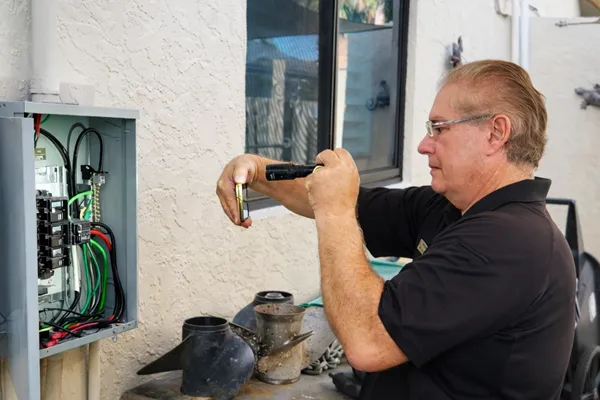
4-Point Form vs. Full Home Inspection — What You Really Need to Know
4-Point Form vs. Full Home Inspection — What You Really Need to Know
Introduction:
If you’ve been told:
👉 “The insurance company needs a 4-point inspection.”
You’re not alone.
Many homeowners and buyers in Orlando, Clermont, Kissimmee, and surrounding areas are asked to provide this report — and often assume it replaces a full home inspection.
👉 It doesn’t.
And misunderstanding this can lead to missed issues, costly surprises, and poor decisions.

⚠️ The truth about a 4-point inspection
A 4-point inspection is NOT a full home inspection.
It is a limited insurance form designed to answer one question:
👉 Is this home a high risk for the insurance company?
That’s it.
📋 What does a 4-point inspection cover?
A 4-point inspection focuses ONLY on four major systems:
1. Roof
Age and remaining life expectancy (usually 5 years are required)
Signs of active leaks (what is a key deficiency and must be corrected before approval)
Visible damage or deterioration
Materials and estimated age
2. Electrical System
Type of panel (important for insurance approval – some panel under recall)
Safety concerns (fire risks, outdated wiring)
Improper or unsafe installations
3. Plumbing System
Type of piping (polybutylene, cast iron, copper, etc.)
Active leaks
Visible deficiencies
4. HVAC (Heating & Cooling)
Basic functionality
Approximate age
General condition (it can not be leaking )
👉 The report is typically a checkbox-style form with photos — not a detailed evaluation.
❌ What a 4-point inspection does NOT tell you
This is where most people get it wrong.
A 4-point inspection does NOT evaluate:
Visible signs of structural movement or settlement
Attic insulation presence (affects energy efficiency)
Roof structure (examined from the attic)
Fascia, soffit, or exterior wood deterioration
Drainage or grading issues
Overall condition of stucco
Safety hazards on pavers and walkways
Windows and doors operation
Appliances conditions
and much more!
👉 In other words: it does NOT give you a good picture of the actual home conditions.
🧠 Why insurance companies require it
Insurance companies in Florida want to avoid:
A roof they’ll need to replace soon
Electrical systems that could cause fire
Active plumbing leaks or failures – pre existing water damage conditions
👉 They are protecting themselves from pre-existing risks
Not helping you evaluate the home.
🆚 4-Point Inspection vs Full Home Inspection
Here’s the difference clearly:
4-Point Inspection
Full Home Inspection
For insurance approval X For buyer decision-making
Limited to 4 systems X Covers all major systems
Checkbox form X Written report with findings
No explanation X Better explanation + recommendations
Focus on insurance risk X Focus on elements condition
✅ What a standard home inspection actually gives you
A standard home inspection evaluates:
Structure and foundation indicators
Roofing system (beyond just age)
Electrical, plumbing, HVAC in more detail
Attic, insulation, and ventilation
Interior components (windows, doors, finishes)
Exterior condition (soffit, fascia, drainage)
Appliances and functional systems
👉 It helps you answer:
“What are the home conditions and what should I expect so I can decide: should I buy this home ?”
🚫 Can a 4-point inspection replace a home inspection?
👉 No.
It’s not designed to.
Replacing a full home inspection with a 4-point inspection is one of the most common — and costly — mistakes buyers make.
✅ The right approach (what we recommend)
👉 Get BOTH — at the same time.
At HouseMaster, we perform:
✔ Full Home Inspection
✔ 4-Point Inspection (insurance form)
✔ Wind Mitigation (if needed)
👉 All in one visit
Benefits:
Save money (bundled pricing)
Avoid scheduling multiple inspections
Get everything done faster
Have complete information for both insurance and buying decisions
⚡ Faster reporting. Better decisions.
With our process:
You receive an on-site summary before we leave
Full report delivered same day
Clear, structured findings you can actually use
👉 No waiting. No confusion.